Dutch football is grieving this week.
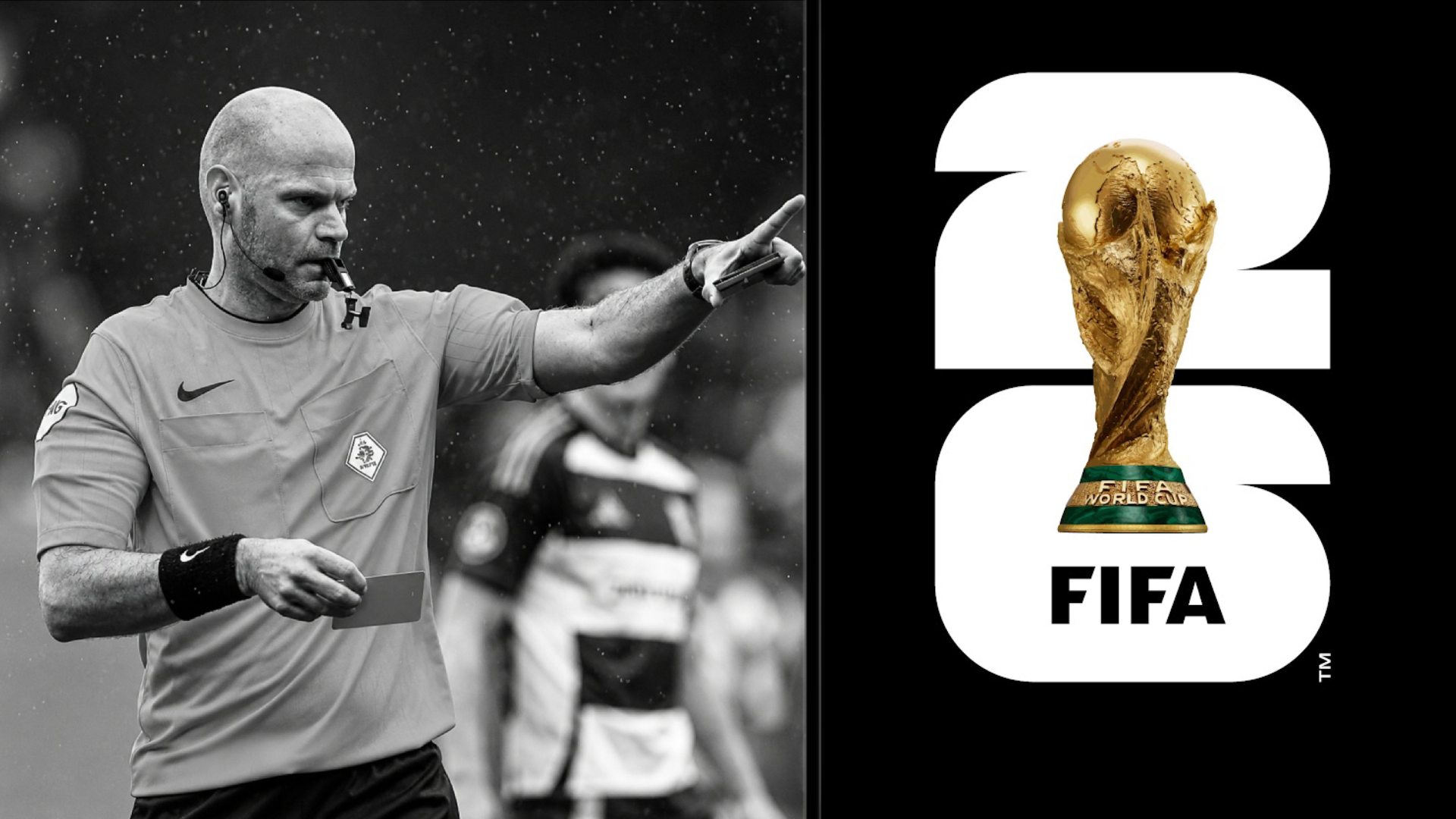
Rob Dieperink has died. He was 38.
The news lands just weeks after FIFA quietly pulled him from its officiating list for the 2026 World Cup — a decision that had already stirred plenty of debate months earlier, tied to a police investigation in London.
The KNVB, the Royal Dutch Football Association, confirmed his death on Monday. Their statement didn't mince words. A devastating loss, they called it. A respected official. Someone who gave years of his life to the game.
No official cause of death yet. Dutch authorities are said to be looking into what happened, though nothing's been confirmed publicly.
Before the headlines, there was just the job
Here's what people forget in moments like this: Dieperink was, for most of his career, simply a good referee. Not a controversial one. Not a headline.
He worked matches for years in the Eredivisie, the Netherlands' top league, and built a reputation most referees would envy — steady, consistent, unbothered by pressure. He also took on VAR duty in UEFA competitions, a job that leaves almost no room for hesitation. You either make the call correctly in seconds, or you don't.
And then came the World Cup selection.
For officials, there's basically one rung above domestic and continental football, and that's it. Being named to FIFA's list for the 2026 tournament wasn't a footnote in his career. It was the whole point of it — the thing every referee quietly works toward for decades, hoping it eventually comes.
Which makes everything that followed harder to sit with.
What happened in London
April 2026. Dieperink is in London, working VAR for a UEFA Conference League fixture. Then he's arrested.
British police said the arrest stemmed from an allegation that he'd sexually assaulted a 17-year-old boy. Word spread fast — faster than it might have for a lesser-known official, given his World Cup appointment was already public knowledge.
He denied it immediately. Reports say he cooperated fully as investigators worked the case, pulling together:
- CCTV footage
- Data from mobile devices
- Witness statements
These things take time. This one did too.
No charges. Case closed.
Eventually, London police wrapped up their investigation without filing a single charge. Their reasoning: the evidence simply didn't clear the legal bar needed to prosecute.
Sit with that for a second. No charges. No conviction. The case, formally, closed.
And yet — FIFA had already removed him from the World Cup panel before that conclusion came through, and never brought him back afterward. Why not? Neither FIFA nor the KNVB has said, at least not publicly.
That silence left people split. Some thought FIFA jumped the gun, acting before the facts were even settled. Others figured the governing body was just being careful, tournament integrity and all, regardless of how the legal side eventually shook out. Either way, it turned into one of the more debated storylines heading into the World Cup — and for Dieperink, missing the tournament after years of building toward it was likely one of the harder professional blows he'd faced.
How he's being remembered
The KNVB's announcement didn't dwell on any of that. It focused on the man, not the controversy — dedicated, respected, a fixture in Dutch officiating circles for years.
Condolences went out to his family. To his friends. To everyone who'd worked beside him.
And since then, tributes have kept coming — from fellow referees, from clubs, from journalists who covered his matches, from fans who probably never thought twice about him until now. The same words keep showing up: professional. Calm. Steady.
What's still unclear
The cause of death? Still unknown. Authorities are reportedly reviewing what happened, but there's nothing official yet.
Which means, honestly, this is a moment for restraint rather than speculation. His family deserves that much — space to grieve without rumors filling in blanks that officials haven't filled in themselves.
The bigger picture
Take away the final chapter, and what's left is a referee who spent close to two decades earning trust in some of the sport's biggest moments — Eredivisie matches, UEFA competitions, high-stakes VAR calls where one wrong decision could define a season.
His death at 38 has clearly rattled people across Dutch football. And for most of his colleagues, it sounds like he won't be remembered for the arrest, or the FIFA decision, or any of it.
He'll be remembered for the work. Just the work, done well, for a long time.
As the investigation into his death continues, the football world has responded the way it usually does in moments like this — quietly, and with condolences for the people who actually knew him.