A few months ago, Xbox fans finally had something to feel good about.
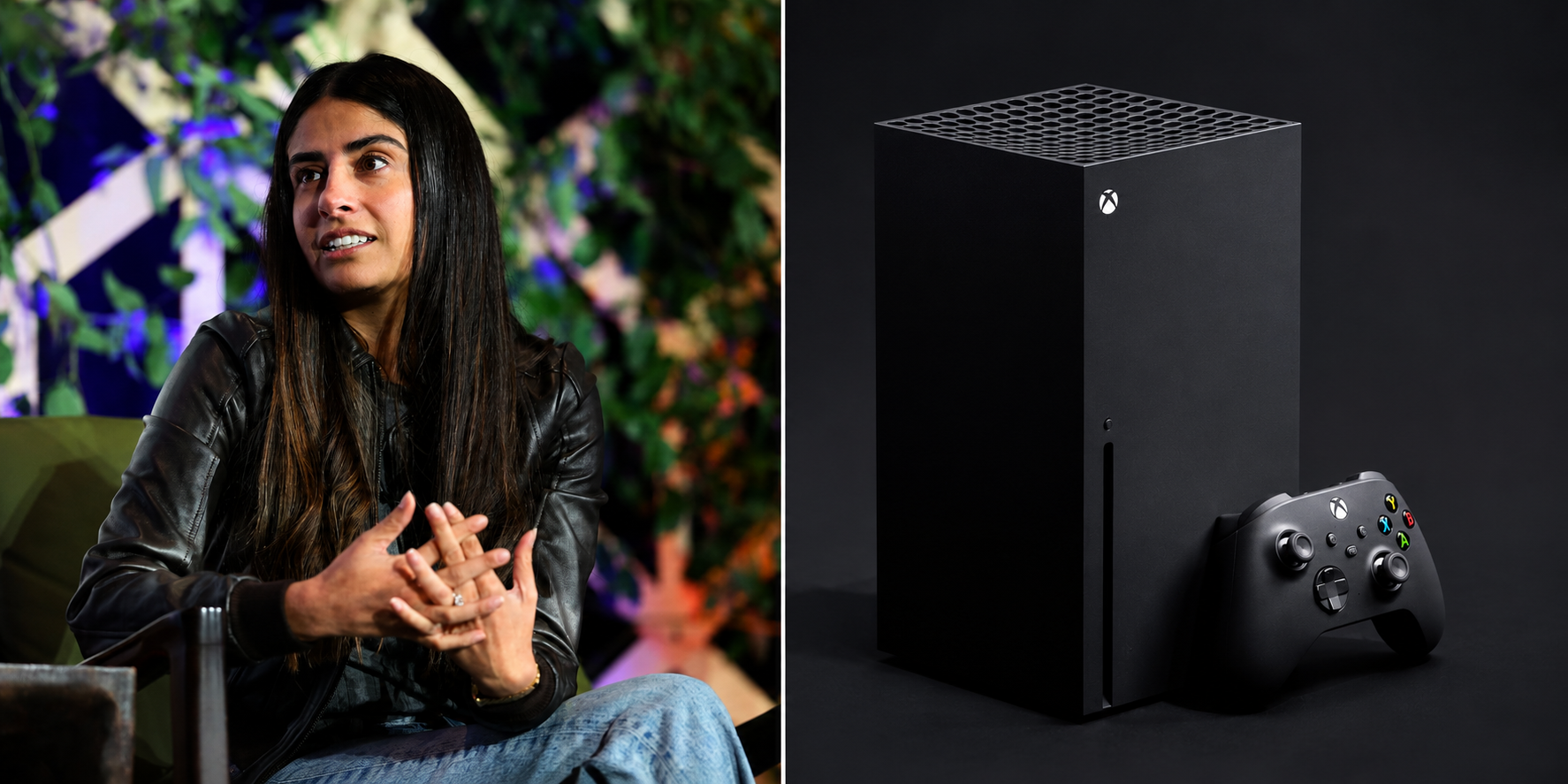
New leadership, more attention on players, a big Game Pass push, promises of long-term growth — all of it pointed toward a brand turning things around. Asha Sharma's hiring fit right into that story too. A lot of people took it as a sign Microsoft was serious about rethinking how Xbox connects with gamers and grows around them.
Then the mood shifted.
Microsoft's newest round of layoffs cut around 3,200 jobs across the company, and once again Xbox found itself in the headlines for the wrong reason. Not every person affected works in gaming, sure, but reports point to Xbox not being immune to this latest wave of cuts either.
Another Rough Chapter for Xbox
Layoffs aren't new to gaming. They've been a near-constant story industry-wide for years. But somehow Xbox always ends up back in the conversation.
After Microsoft closed the Activision Blizzard deal, expectations were sky-high. Fans wanted a steady stream of big releases, a fatter Game Pass library, stronger first-party studios, the works.
What they got instead was more workforce trimming, as Microsoft keeps trying to streamline things and clear out overlapping roles.
Developers feel it as slowed-down projects. Fans feel it as doubt about the games coming, about whether it's worth investing time or money into what's next.
Why Asha Sharma's Hiring Sparked So Much Optimism
When Asha Sharma joined Xbox's leadership, plenty of industry watchers treated it like a fresh start.
Her track record spoke for itself. Known across tech as one of the sharper minds in consumer-focused growth, she'd built her reputation on real customer engagement rather than the usual marketing playbook.
For Xbox, that felt like exactly the right fit.
People figured she'd help push things like:
- Getting Xbox beyond just consoles
- Growing Game Pass numbers
- Reshaping how the public sees the brand
- Building a real community around Xbox
It was an easy narrative to buy into, Sharma as one of the people steering Xbox back into good graces.
Today Looks Very Different
Fast forward, and Xbox is back to dealing with another hard headline.
The latest layoffs have buried a lot of that earlier momentum. Instead of talk about new exclusives or Game Pass upgrades, timelines are full of questions about job security, studio stability, and what Microsoft's actual gaming strategy even is right now.
Nothing ties Asha Sharma directly to these cuts. But perception rarely waits for facts, people connect leadership to outcomes whether it's fair or not.
That's leadership for you. Even a good long-term plan can get buried under one rough quarter of headlines.
Why Microsoft Keeps Restructuring Xbox
A few things seem to be driving this.
Post-acquisition integration. Spending close to $69 billion on Activision Blizzard meant absorbing thousands of new employees. Integration like that almost always leads to overlapping teams getting merged or cut.
The AI push. Microsoft, like most big tech companies right now, is pouring money into AI across nearly every division — often while trimming costs elsewhere to fund it.
Long-term profitability. Even companies posting solid revenue cut expenses to stay lean long-term. Shareholders call that discipline. For the people losing jobs, it doesn't feel like discipline at all.
The Real Story Isn't Just the Layoffs
The headline everyone's fixated on is the job cuts. But that's not really the story.
The real story is how fast the public mood flipped.
Just months back, Xbox leadership — Sharma included, symbolized hope for something better. Now it's all restructuring, uncertainty, and hard corporate calls.
Where this goes next depends entirely on Microsoft. Strong releases, honest communication, and real investment in players are what will decide whether Xbox rebuilds the trust it just lost.
Will Xbox Bounce Back?
Probably, if history's any guide.
Microsoft's navigated big transitions before, and Xbox itself has bounced back from rough console launches, shifting markets, and stiff competition more than once.
But earning trust back takes more than new hardware or another acquisition. It takes showing up consistently. Players want stable studios, good developers, and games worth playing — not another headline about layoffs.