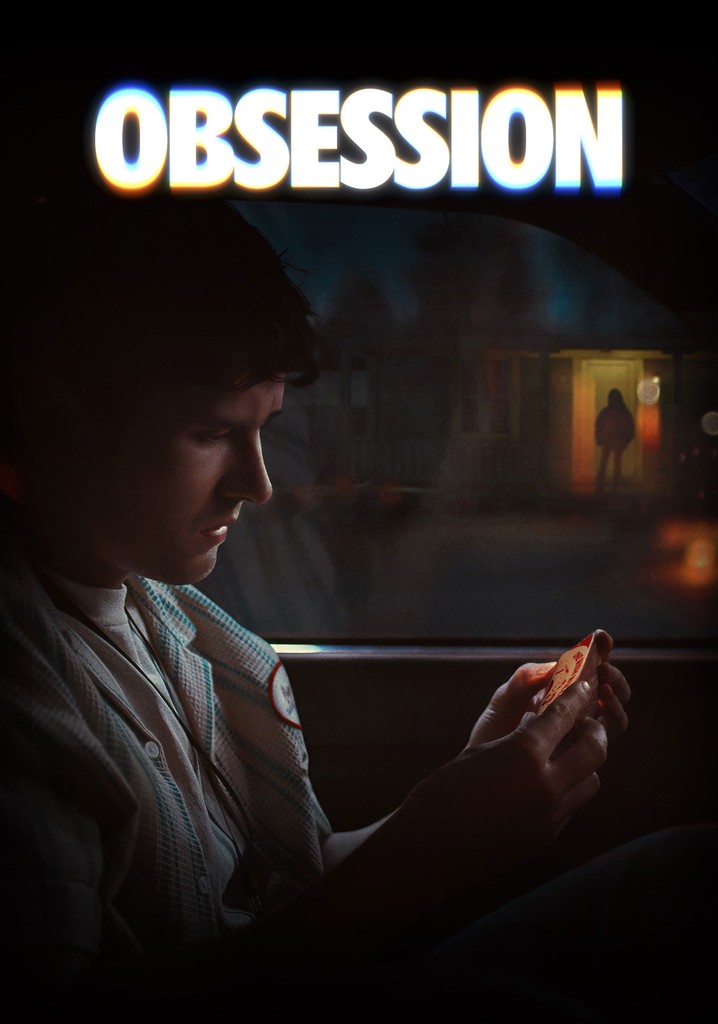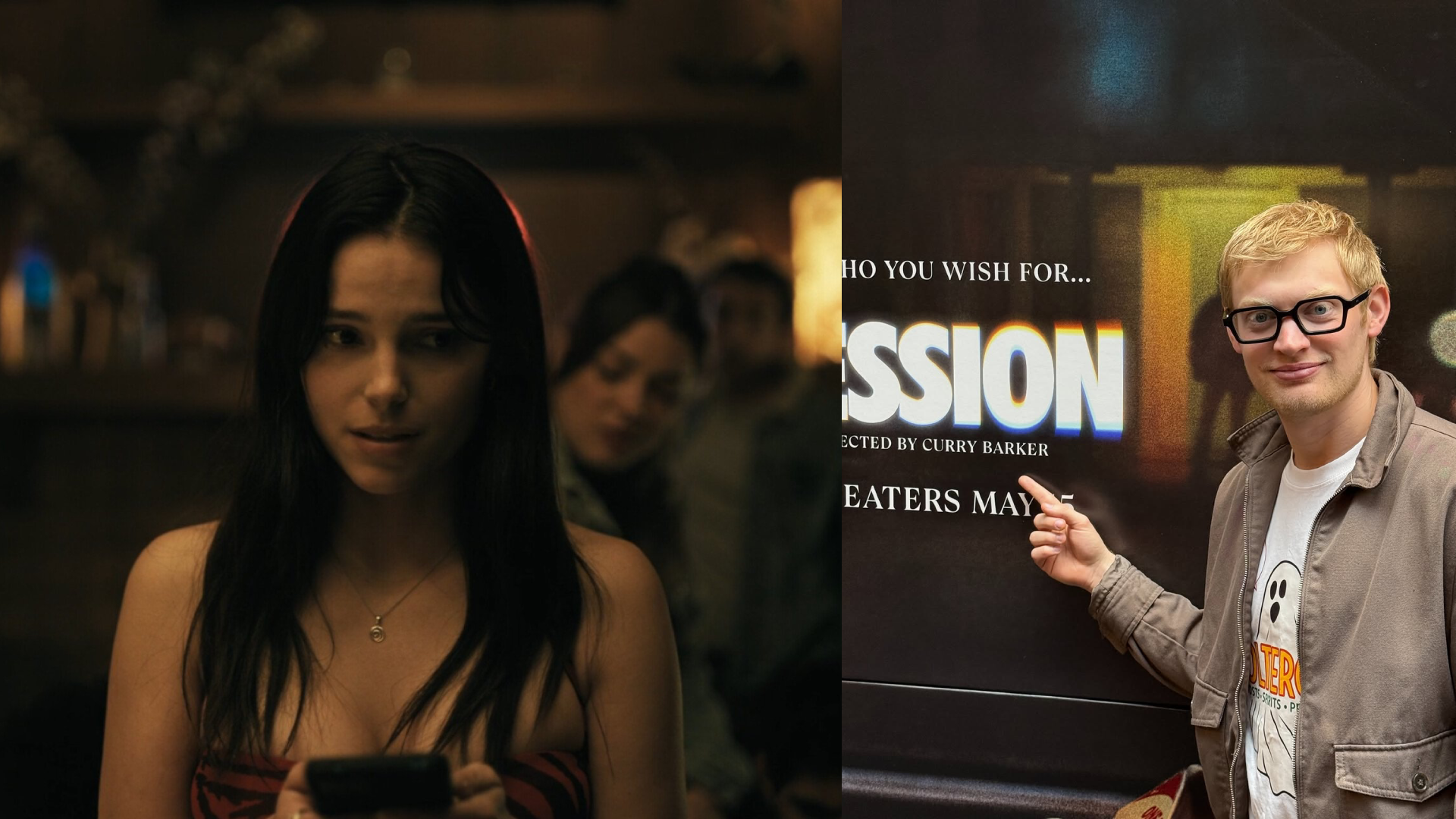
So apparently the ending we all watched almost never made it to theaters.
Curry Barker, the guy who directed Obsession, shot a completely different finale first. Darker one, actually. He only swapped it out at the last second, and honestly, the reasoning behind that swap is more interesting than half the movie's actual plot twists.
Anyway. Let me walk you through it.
The original plan was a full tragedy
Both Nikki and Bear were supposed to die. Romeo and Juliet, basically, except swap the feuding families for a cursed tree that grants wishes and ruins lives.
Symmetrical. Sad. The kind of ending where you cry a little and then eat something greasy afterward because you need comfort.
Here's the part that actually surprised me though — Barker didn't just outline this on paper and move on with his life. He filmed it. Both endings exist as real footage, sitting somewhere, finished.
That's not normal. Directors usually pick one ending and just hope it lands. Filming two full versions is expensive and kind of a pain, so the fact that he did it tells you he genuinely wasn't sure which way to go.
Then the feedback came in, and it wasn't what he expected
He showed both cuts to people close to him. His dad. A few crew members. People who'd tell him the truth instead of just nodding along.
And nobody said the double-death version was scarier.
Almost everyone said the opposite — that letting Nikki survive was the more disturbing choice.
Which, when you actually sit with it, makes sense.
A double death gives you closure. It's sad, sure, but it's finished. You grieve, you move on.
A survivor who remembers everything that happened to her? That doesn't finish anything. It just keeps going, quietly, in the background of her life.
Closure isn't scary. Being stuck is scary.
What actually happens in the movie you saw
Bear ends up sacrificing himself to break the curse attached to this thing called the One Wish Willow. His death frees Nikki from whatever had taken over her mind.
Free from the curse, sure.
Not free from the memories.
She remembers everything. Every bit of it. No convenient amnesia, no clean slate — she just has to carry it.
Which, if you think about it, might genuinely be worse than dying. Death ends your story. This just forces her to keep living inside hers.
Why this actually works better than the original idea
Horror's shifted a lot over the last several years. It used to be jump scares, a body count, roll credits.
That's not really what sticks with people anymore. What sticks is the aftermath — the stuff you're still turning over in your head a few days later, even if you can't totally explain why.
Obsession leans into that instead of fighting it.
Keeping Nikki alive turns the film from a tidy tragedy into something messier — basically a character study of someone trying to figure out who she even is after losing control of her own mind. Does she trust herself again? Does anything feel normal after that? The movie never really answers it. It just leaves you sitting there with the question, which, annoyingly, is kind of the whole point.
Fans don't agree, and honestly that's a good sign
Since Barker talked about all this publicly, people have been arguing about it online.
Some viewers wanted the doomed-lovers ending. There's something almost classic about it — tragic in that old, theatrical way.
Other people are firmly on Barker's side, saying a haunted, living Nikki is scarier than a dead one any day.
I don't think either side is wrong, really. But a forgettable movie doesn't generate this kind of back-and-forth. People argue about endings they actually care about.
So will we ever see the alternate ending?
No official word yet. No Blu-ray extra confirmed, no streaming bonus feature, nothing from Barker or the studio.
But once a director admits an entire alternate ending exists — fully shot, sitting on a hard drive somewhere — it tends to surface eventually. Might take a year. Might take five. These things have a way of leaking out once a movie builds any kind of following.
The part I keep thinking about
The safer choice isn't always the scarier one. That's basically the whole lesson here.
Barker could've gone with the expected tragic ending and probably nobody would've complained. Instead he trusted what actual people told him — his dad, of all people — and ended up with something that sticks a lot harder.
Sometimes the monster isn't the thing that kills you.
Sometimes it's just the thing you're stuck carrying afterward.
And that, more than any jump scare in the movie, is the part people are going to remember.