Imagine buying a game, spending hours playing it, and then losing access simply because the publisher switched off its servers. It has happened to thousands of players over the years, raising a simple but important question- "if you paid for a game, shouldn't you be able to keep playing it?"
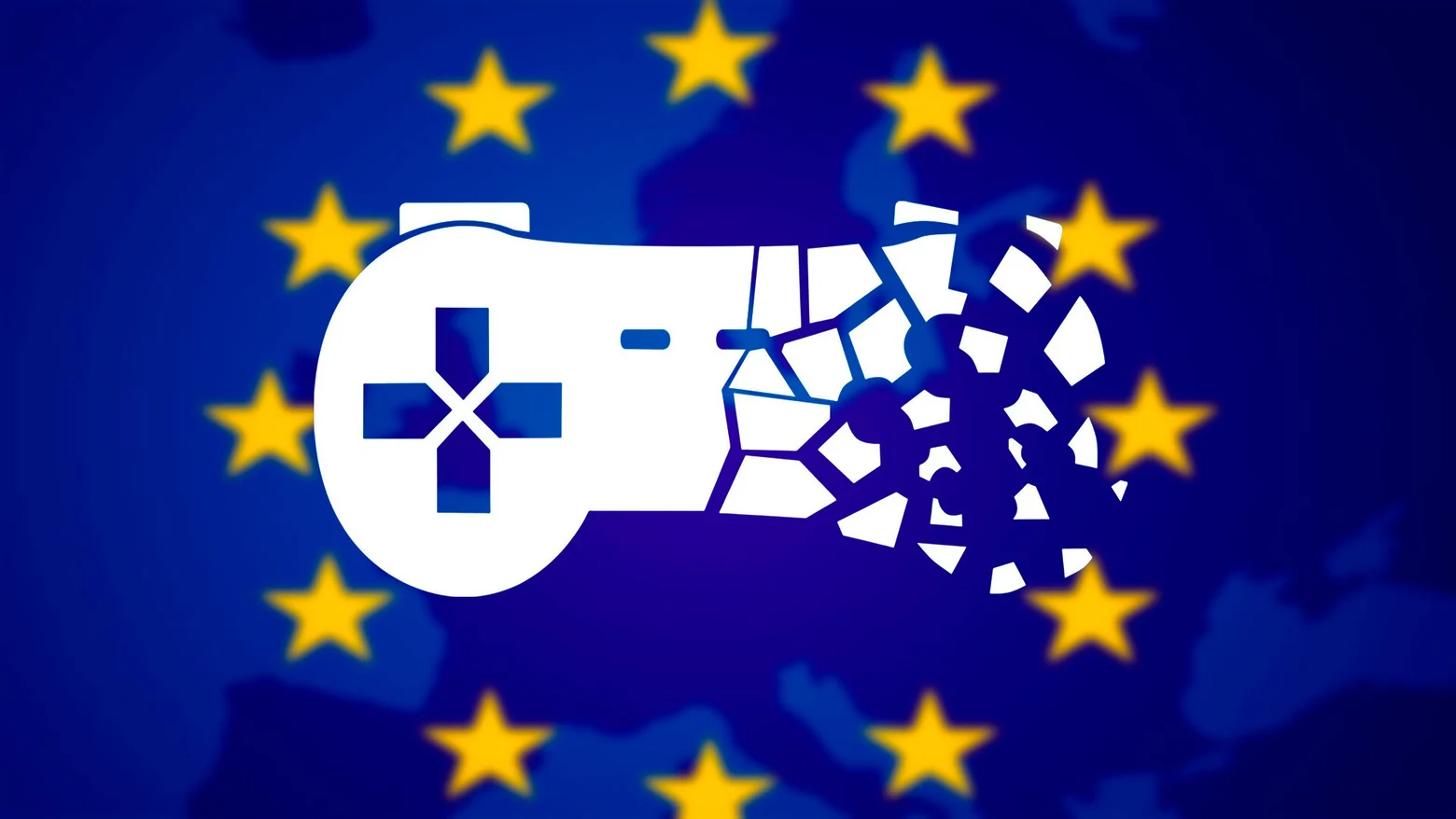
That frustration is exactly what fueled Stop Destroying Videogames, one of the biggest grassroots gaming campaigns Europe has ever seen. And now the European Commission has weighed in. Their answer: no new laws forcing publishers to keep games running after they walk away.
But don't expect this fight to fizzle out just yet.
Where It All Started
Back in 2024, Ross Scott kicked off the campaign after Ubisoft shut down The Crew's servers, turning a game people had legally bought into something they simply couldn't play anymore.
The core argument was simple: if you buy a game, publishers shouldn't be able to make it disappear just because they're done supporting it.
The idea struck a nerve. By early 2026, the campaign had racked up nearly 1.3 million verified signatures, well past what's needed to trigger a European Citizens' Initiative and it cleared the bar in 24 different member states. That's a rare feat for any gaming-related cause.
MEPs Take the Stage
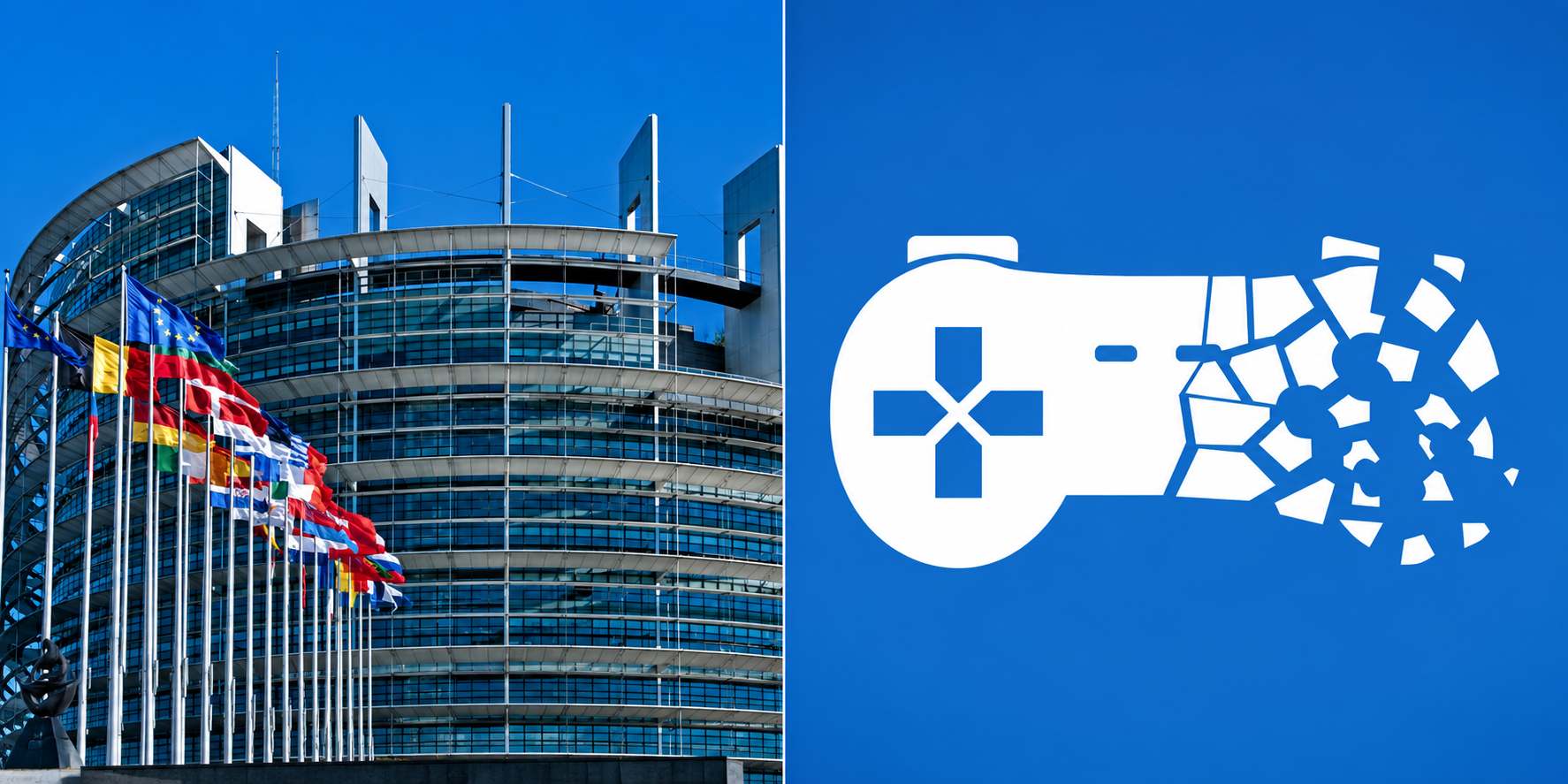
On May 21, 2026, Members of the European Parliament debated the issue in Strasbourg. Nobody really disputed that there's a real consumer protection problem here, the disagreement was over what to actually do about it.
Some MEPs pushed for firmer legal protections so games can't just vanish once a publisher moves on. Others worried that hard legal mandates would hit smaller studios especially hard, piling costs onto developers who can least afford them.
Polish MEP Piotr Müller landed somewhere in the middle, supportive of better consumer protections, but wary of over-regulating. Czech MEP Ondřej Krutílek took a firmer stance on the other side, arguing games are licensed products, not physical goods, and that publishers' IP rights need to stay intact.
The Debate Went Deeper Than Just Servers
This wasn't only about dead multiplayer games. The conversation opened up into much bigger questions:
- Does buying a digital game mean you own it, or just that you're renting a licence?
- Should players have the right to patch up and maintain abandoned games themselves?
- Is deliberately bricking a game just a digital version of planned obsolescence?
- How do we preserve games as cultural artifacts, the same way we preserve films or books?
- What about loot boxes and protecting younger players?
- Could forcing publishers to support games forever actually push more people toward piracy?
- And how might all this tie into the upcoming Digital Fairness Act?
The Commission's Answer
On June 16, 2026, the Commission gave its official response, and it was a pass. No new legislation requiring publishers to keep games alive after support ends. Their reasoning: current EU consumer protection law already covers this well enough.
So for now, publishers are off the hook, legally speaking.
But Campaigners Aren't Walking Away
Here's the twist: rejection didn't kill the momentum. By late June, 45 MEPs had already backed a formal inquiry pushing for legislative action on game preservation.
Rather than starting over with another citizen initiative, organizers are now aiming to fold game preservation rules directly into the Digital Fairness Act as it moves through the legislative process.
That's a much longer road, any changes would need to survive committee review, then three-way negotiations between Parliament, the Council, and the Commission, likely stretching into 2027. Publisher lobbying groups aren't going to make it easy, either.
But here's the upside: unlike a citizens' initiative, which the Commission can simply wave off, amendments that pass through the Digital Fairness Act would be legally binding across the entire EU.
Why This Actually Matters
Plenty of games today lean on constant online connections, even for stuff that used to work perfectly fine offline. When a publisher kills the authentication servers, players can lose access to something they paid for years ago, and this has already happened more than once.
Some observers think the real fix won't come from regulating publishers directly, but from leaning on the storefronts themselves, Steam, PlayStation Store, Xbox and Epic Games Store, requiring things like refunds or continued access to downloads when a publisher walks away.
Whether that idea gets political traction is still an open question.
So What Now?
The Commission said no to a blanket preservation mandate. But nearly 1.3 million people already managed to put digital ownership on Europe's political agenda and dozens of MEPs are still pushing for change.
This fight has moved out of the petition stage and into actual lawmaking. It'll be slower. It might also end up being stronger and more enforceable than the original campaign could have achieved on its own.
The future of "owning" your games in Europe is still up in the air. But this story is nowhere near finished.