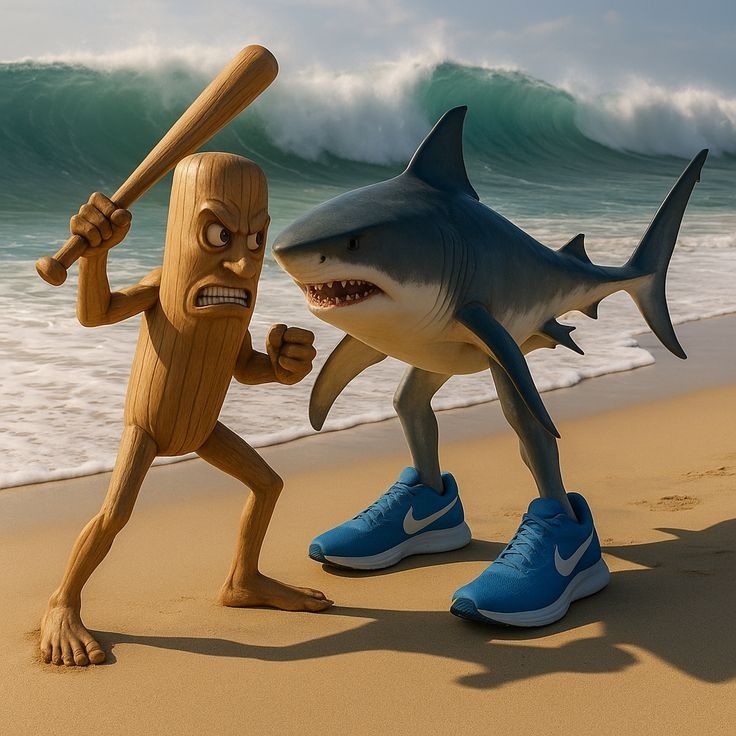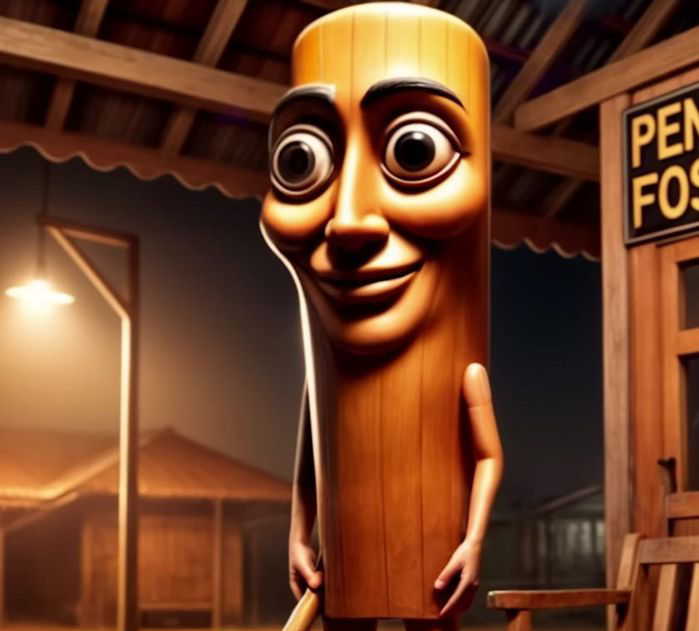
One of the internet's most recognizable brainrot memes, Tung Tung Sahur, has become the focus of a high-profile legal dispute that could help define who owns AI-assisted viral characters.
The developers behind the hit Roblox game Steal a Brainrot have filed a lawsuit asking a U.S. federal court to declare that Mementum Lab cannot claim copyright ownership over Tung Tung Sahur and several other brainrot characters featured in the game.
According to the developers, many of these viral characters were created using artificial intelligence, meaning they may not qualify for copyright protection under current U.S. law. They argue that AI-generated content lacks the human authorship required for copyright, making Mementum's ownership claims unenforceable.
Mementum Lab strongly disagrees. The company says the original creators contributed substantial creative work by developing the characters' names, personalities, stories, voices, music, and videos. In addition to copyright claims, Mementum is also pursuing trademark and unfair competition claims, arguing that players could mistakenly believe the characters are officially licensed.
The dispute began in September 2025 when Mementum Lab sent a cease-and-desist letter demanding that Tung Tung Sahur be removed from Steal a Brainrot. The developers temporarily removed the character while both parties explored a licensing agreement, but negotiations eventually broke down. After the character returned to the game, the legal battle escalated into a federal lawsuit.
Beyond the fate of one meme, the case could have major implications for the future of AI-generated content. A ruling in favor of the game developers could make it much harder for companies to claim exclusive rights over AI-assisted internet memes. On the other hand, a victory for Mementum Lab could strengthen legal protections for creators who use AI as part of their creative process while adding significant human input.
With the popularity of brainrot memes continuing to grow across social media and gaming platforms, the outcome of the case is being closely watched by developers, creators, and intellectual property experts alike.
The lawsuit is still ongoing, with a key federal court hearing expected later this year. Whatever the outcome, the decision could become a landmark case for the future of AI-generated internet culture.