Okay, so here's something that would've sounded absurd ten years ago: VALORANT, the tactical shooter, is now an official part of the middle school curriculum in the Philippines. Not an after-class thing. Not a club. Actual curriculum.
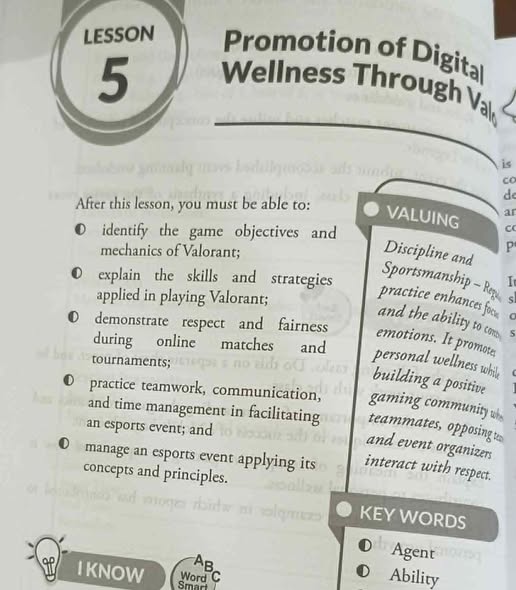
First reaction for a lot of people is probably "so kids just get to play video games in school now?" Fair guess, but wrong. What's actually going on is more interesting — the game is being used as a vehicle for teaching teamwork, communication, and strategic thinking, along with a genuinely practical look at how the esports industry works behind the curtain.
It's Not a Gaming Club
Here's the actual distinction, because it matters. A gaming club exists so kids can play together — that's the whole point, and there's nothing wrong with that. This is different. The playing is the method, not the goal.
Roughly, the lessons touch on:
- How the game actually works mechanically
- Agent roles and what each one is built to do
- Building a team composition that makes sense
- Communicating clearly under pressure, mid-match
- Reading a round and adjusting strategy on the fly
- Sportsmanship — winning and losing well
- The basics of running an esports tournament
On paper, none of that sounds unusual — schools have been "teaching teamwork" forever. What's different is the medium. Swap the whiteboard and the group project for a live, competitive match, and suddenly the stakes feel real to a twelve-year-old in a way a worksheet never will.
Why VALORANT Specifically
Ask anyone who's actually played it competitively and they'll tell you: VALORANT punishes solo heroics. It's built around five people who each have a different job — someone gathering info, someone anchoring a site, someone else pushing the execute — and none of that works if the callouts stop.
You genuinely cannot carry a match on aim alone, not consistently, not at any real level. Coordination beats mechanics more often than new players expect. Which is exactly why it works as a teaching tool. Build a class around it and students end up practicing the same trust-and-communicate reflex that coaches spend years drilling into team sports — just with headsets instead of a locker room.
The Part That's Actually the Most Interesting
Honestly, the gameplay isn't the most interesting part of this curriculum. The industry side is.
Students get walked through how a tournament actually comes together — scheduling, production, broadcasting, coaching, content, marketing, the logistics nobody thinks about until something goes wrong. It's a quiet reminder that "esports career" doesn't just mean "pro player." Watch any big tournament stream and most of the people making it happen never touch a keyboard on camera.
Esports is a billion-dollar industry at this point, growing fast, and that kind of exposure might end up mattering more to these kids' futures than anything they learn about agent abilities.
This Didn't Come Out of Nowhere
Zoom out and this fits a pattern that's been building for a while. Universities have been adding esports scholarships, varsity-style teams, and full-blown programs in game development and broadcasting for several years now. Slowly, gaming stopped being "the thing kids do instead of homework" and started being treated as a field with actual careers attached to it.
And the Philippines has always been one of the strongest gaming markets in Southeast Asia — VALORANT, Mobile Legends, Dota 2, all with huge, active communities. So this isn't some random pilot program dropped out of the sky. It's a pretty natural next step for a country that's already been taking competitive gaming seriously for years.
The argument from people who back this kind of program is fairly consistent: done right, it builds leadership, teamwork, communication, critical thinking, digital literacy — basically the same list schools already chase through sports and clubs, just delivered through a different door.
So Will Other Countries Actually Follow?
That's the question worth sitting with. If this works — meaning, if it produces measurable gains in the skills it's targeting — other countries will notice. Education systems copy what works, eventually.
The screen-time debate isn't going anywhere, and it shouldn't. That's a legitimate conversation. But there's a real difference between a kid grinding ranked alone at midnight and a structured class with instruction, discipline, and a project built around it. Lumping those together misses the point.
Some of these students will go pro. Most won't. Some will end up coaching, broadcasting, running tournaments, doing something in the industry that doesn't even have a name yet. Either way, they're getting an early look at a world that basically didn't exist in this form ten years ago.
Right now, the Philippines is just out ahead of everyone else on this — treating VALORANT as something more than entertainment. A tool, actually, for teaching collaboration, strategy, and getting ready for a career.