Somewhere between building your PC last year and thinking about upgrading it this year, memory quietly became the most expensive part of the machine. Not the GPU. Not the CPU. RAM!!, the same 16 sticks of silicon that used to be a rounding error on your build sheet.
If you've priced out a memory kit recently and felt your stomach drop, you're not imagining things, and you're not alone. Gamers, PC builders, and even laptop shoppers are running into the same wall: memory that cost you $50 a year ago now costs well over $150, and in some cases it's simply not available at all.
The reason has almost nothing to do with gaming. It has everything to do with AI.
What's Actually Happening to RAM Prices
Every AI data center Google, Microsoft, Meta, and Amazon are racing to build needs enormous amounts of high-bandwidth memory to train and run models. That memory comes from the exact same factories - Samsung, SK hynix, and Micron — that make the DDR4 and DDR5 sticks going into your gaming rig.
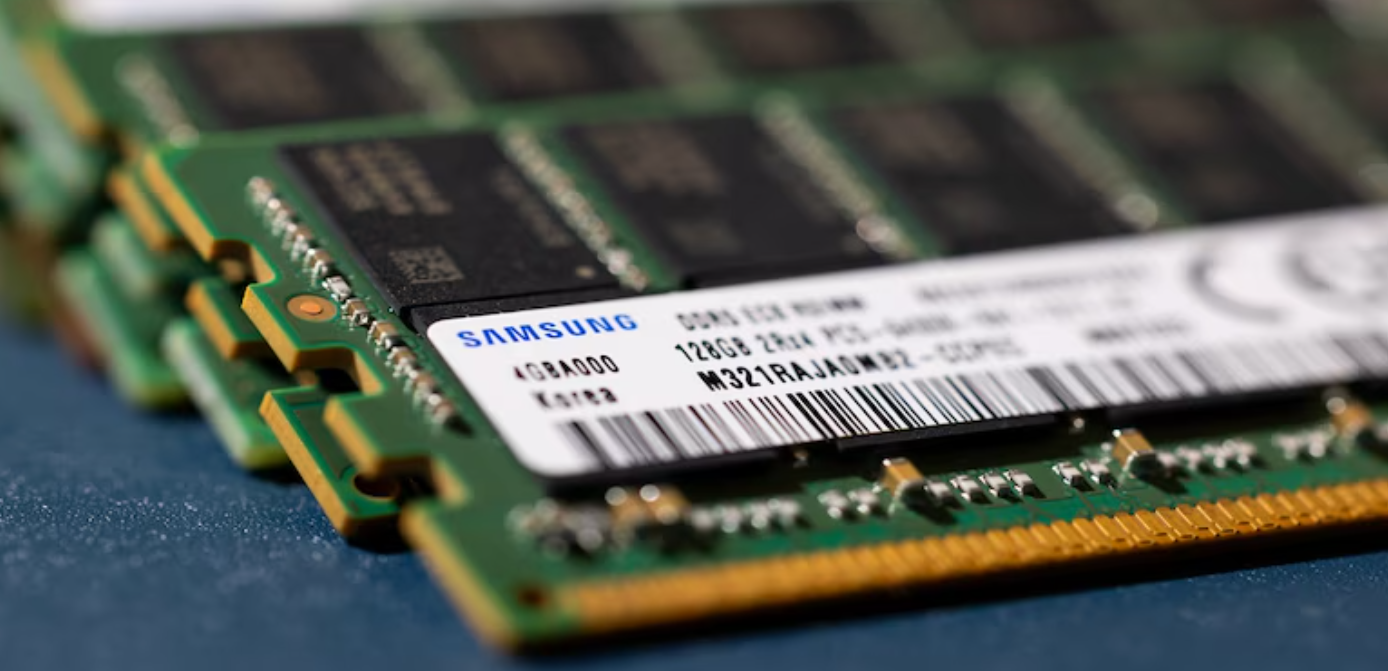
There are only three companies on Earth that manufacture the vast majority of the world's RAM. When AI companies start buying up years of future production in advance, there simply isn't enough factory capacity left over for everyone else.
Industry researcher TrendForce recently projected that conventional DRAM contract prices will keep rising 13% to 18% quarter-over-quarter through Q3 2026 a slowdown from the roughly 60% jump recorded the previous quarter, but still a steep climb on top of already-inflated prices. Some DDR4 spot prices have reportedly risen more than 2,200% over the past twelve months before finally showing their first small dip.
Micron's own leadership has said the quiet part out loud: demand for memory has "far outpaced" the industry's ability to supply it, and that gap isn't expected to meaningfully close until new factories come online and those factories won't be ready until 2027 or 2028 at the earliest.
Why Gamers Are Feeling It the Most
Here's the part that stings if you build or upgrade your own PC: memory manufacturers make more money selling high-bandwidth memory to AI data centers than they do selling standard RAM to consumers. So when supply is tight, companies naturally prioritize the more profitable customer, and that customer isn't you.
The knock-on effects are already visible across the entire PC market:
- RAM kits: A 32GB DDR5 kit that cost around $90 / ₹8,600 in early 2025 is now regularly priced well above $150–$200 / ₹14,000–₹19,000.
- SSDs: NAND flash pricing is climbing alongside DRAM, since AI training pipelines also devour flash storage for data caching.
- Graphics cards: GPU memory (GDDR6/GDDR7) is being pulled into the same shortage, with several manufacturers already flagging small price increases on graphics cards as a result.
- Prebuilt PCs and laptops: Dell, HP, Lenovo, and Acer have all warned customers of price hikes in the range of 15–20% heading into the second half of 2026.
- Consoles: Analysts expect console hardware margins to tighten too, since memory now makes up a larger share of total build cost than it used to.
Research firm IDC put it plainly: memory now accounts for 15–20% of the total bill of materials on a mid-range device, up sharply from where it sat just a year or two ago. For DIY PC builders working with tighter margins than big manufacturers, that shift lands hardest of all.
Should You Buy RAM Right Now?
If you've been putting off a PC build or a memory upgrade, the honest answer from most system integrators is: don't wait for a discount that may not come. MAINGEAR CEO Wallace Santos told hardware outlets that consumers "shouldn't wait" for their upgrades, because the situation is expected to get worse before it gets better.
A few practical takeaways for PC builders and gamers navigating this:
- Buy the RAM you'll actually need for the next 3–5 years now, rather than planning a cheap mid-cycle upgrade later.
- Compare DDR4 vs. DDR5 pricing carefully if your motherboard supports both — the gap between them has shifted in unpredictable ways this year.
- Watch prebuilt PC deals, since large Manufacturers often lock in long-term memory contracts that shield retail pricing from spot-market spikes longer than custom or individual parts do.
Whether you plan on building a gaming PC, looking at an upgrade of a laptop or just wondering what drives up the price of RAM, the answer is becoming more obvious each day. Companies producing AI need vast data centers and, therefore, they acquire large amounts of memory chips spending more money than consumers. Until their demand is sustained, gamers and other PC users will continue facing higher hardware prices.