France Just Told TikTok and Instagram: Not Until 15
Picture this. Your 12-year-old wakes up one morning and Instagram simply won't let them in anymore.
That's about to become reality in France.
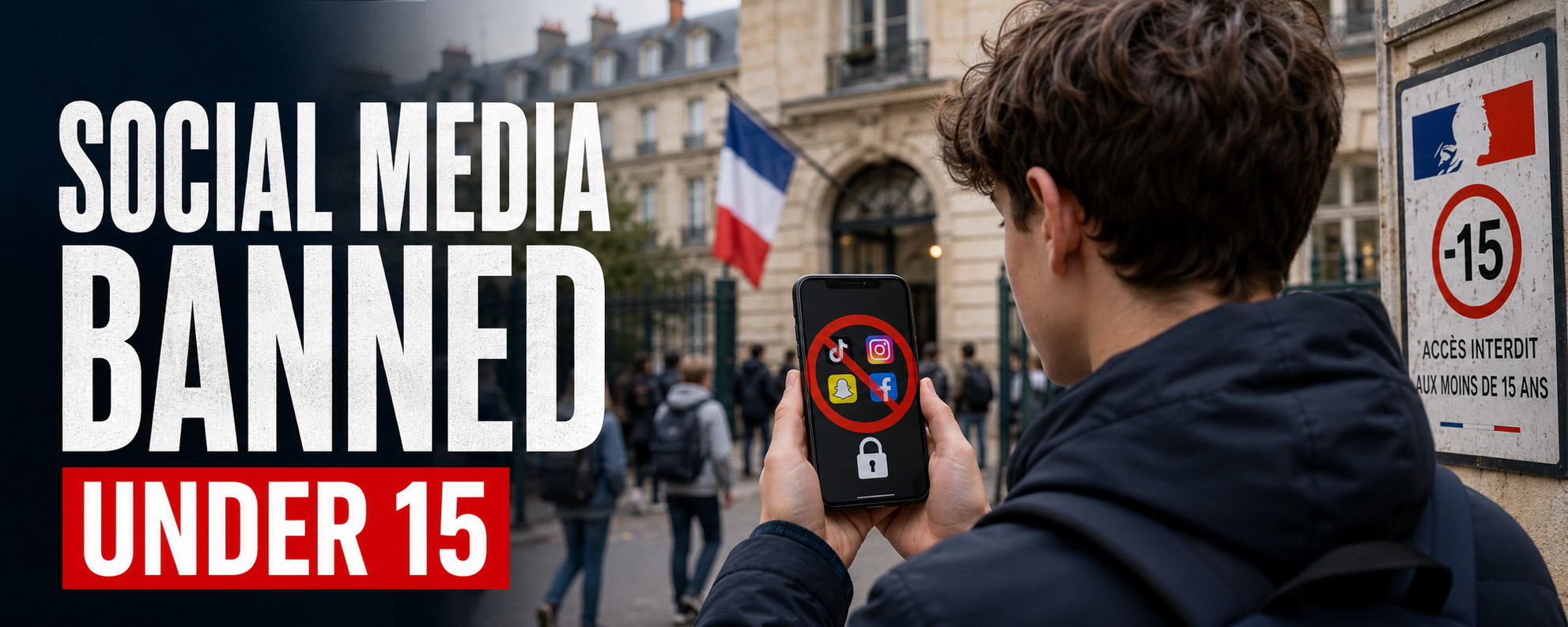
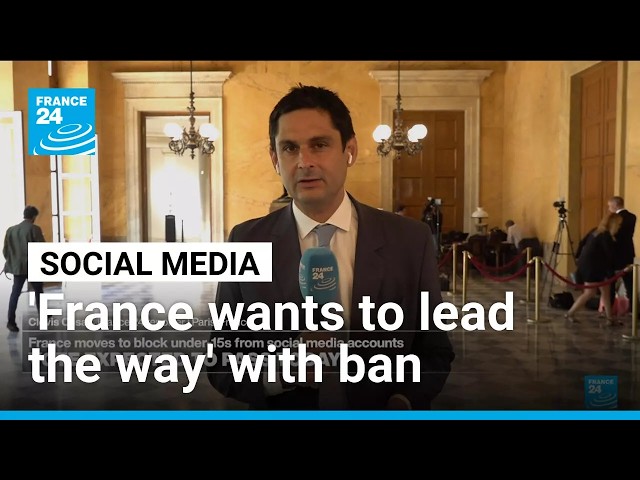
Parliament just approved a nationwide ban stopping kids under 15 from opening social media accounts. Not a suggestion. Not a "please ask your parents" checkbox. An actual, enforceable wall.
So What Exactly Changed?
Here's the thing — France tried the soft approach back in 2023. Parental consent for under-15s, remember?
It flopped. Nobody could really enforce it.
This time, lawmakers skipped the middleman. Both chambers signed off on July 21, making France the first EU country to pull this off at national scale.
The target list reads like a who's-who of teenage screen time: TikTok, Instagram, Snapchat, Facebook, X.
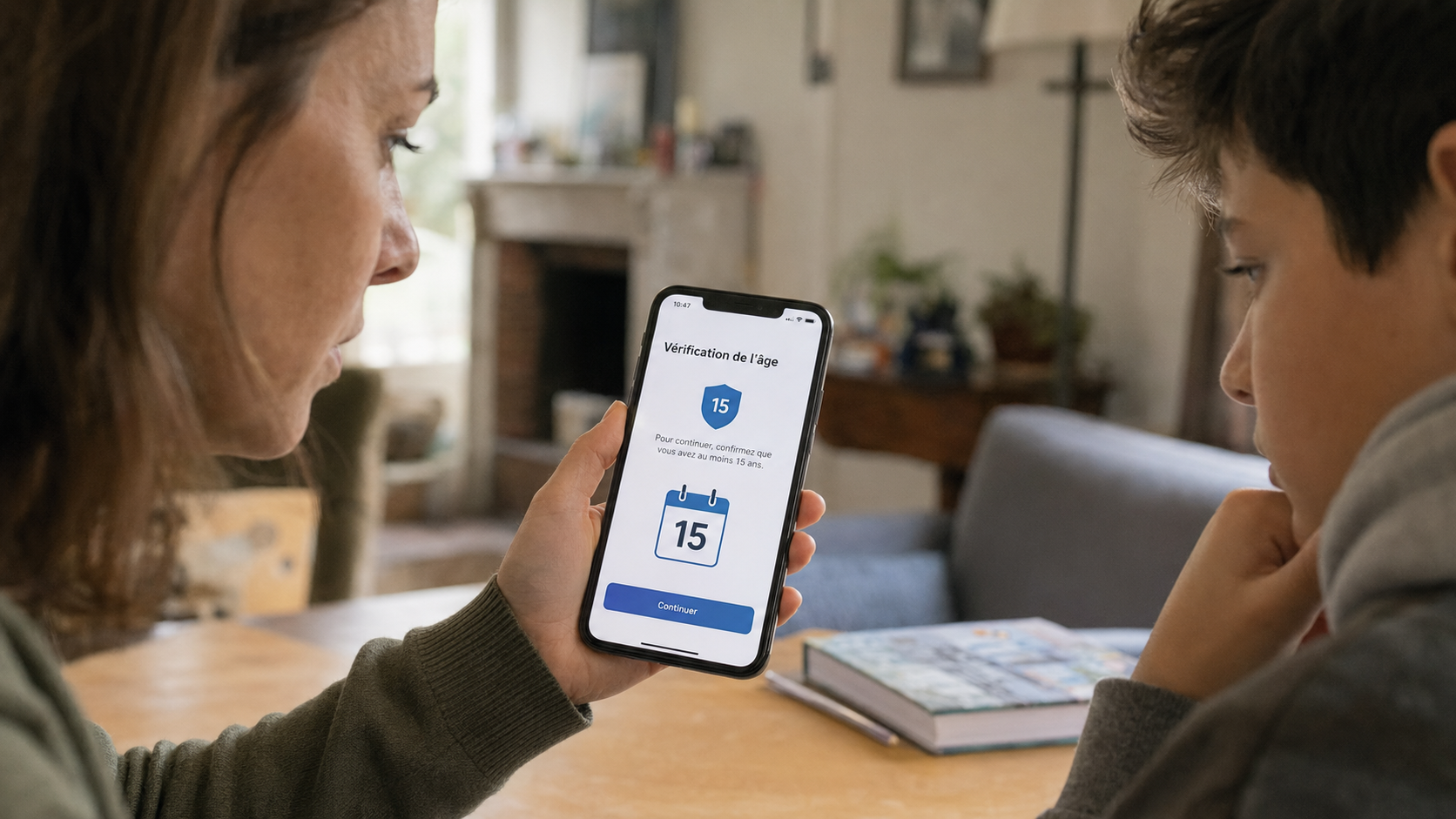
All of them will need government-approved age-verification tools. A fake birthday and a click won't cut it anymore.
Existing Accounts Aren't Safe Either
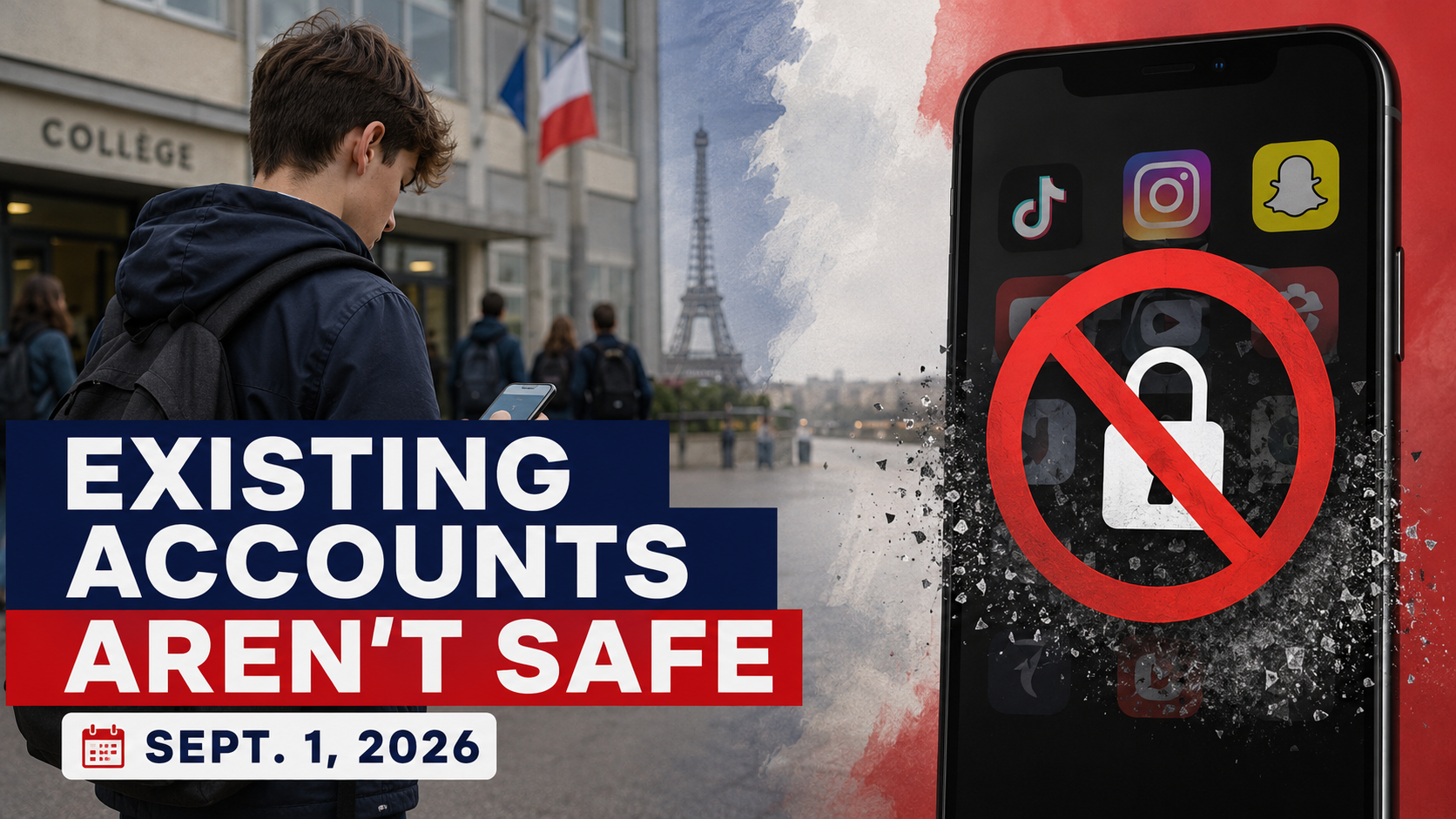
Got a 13-year-old already scrolling TikTok? That account has a shelf life now.
Platforms get a four-month window to hunt down underage accounts and shut them off once the law kicks in.
And the target date? September 1, 2026 — timed perfectly with the new school year.
Wait, Is Social Media Banned for Everyone?
No. Breathe.
Anyone 15 or older keeps scrolling like normal. This law has one target: kids under 15, full stop.
Educational sites and online encyclopedias get a pass too. France isn't nuking the whole internet — just the addictive, algorithm-fed feeds built to keep young users hooked.
Why Now?
President Emmanuel Macron has been pushing this hard, and his reasoning is simple: parents can't win this fight alone.
Think about it. You can limit your kid's phone time all you want, but if every other kid in class is on Snapchat, good luck holding the line.
Backers of the law point to a grim list — cyberbullying, wrecked sleep schedules, warped beauty standards, dangerous viral challenges, and content tied to self-harm and eating disorders.
There's also the algorithm problem. These platforms are engineered to keep eyes glued to the screen. Adults struggle to put the phone down. Kids barely stand a chance.
Phones Are Getting Booted From Schools Too
The social media ban isn't traveling alone.
France is also widening its phone restrictions in schools — this time reaching into high schools, not just primary and middle schools.
The logic? Fewer phones means fewer distractions, less secret filming, and maybe — just maybe — kids actually talking to each other again.
Some exceptions will exist, though. Health needs, accessibility, specific classroom projects.
Here's the Hard Part: Actually Enforcing It
Writing a law is easy. Making 13-year-olds respect it? That's the real fight.
Age verification is messy. Get too strict and you're asking children to hand over ID scans or facial recognition data — a privacy nightmare waiting to happen.
Get too loose, and it's a fake birthdate away from being pointless.
Then there's the workaround problem. VPNs exist. Parents' accounts exist. Determined teenagers are, historically, extremely determined.
Critics warn something else too — push kids off the big platforms and they might land on smaller, sketchier apps with barely any moderation at all.
Supporters shrug this off. Their argument? The law doesn't need to be airtight to work. Even a partial drop in underage usage counts as a win.
Will Other Countries Copy This?
Almost certainly, some will try.
Australia already banned social media for under-16s. Spain, Denmark, Greece, and the UK have all floated tougher rules of their own.
If France's system actually works — no privacy scandals, no legal collapse — expect a domino effect across Europe.
If it falls apart instead? Consider it a cautionary tale for every government eyeing the same move.
The Bigger Picture
This isn't really about one law in one country.
It's a signal. Governments are done letting tech companies write their own rulebook when it comes to kids online.
TikTok, Meta, Snap — the message from Paris couldn't be clearer: protecting children isn't optional anymore.
It's policy.