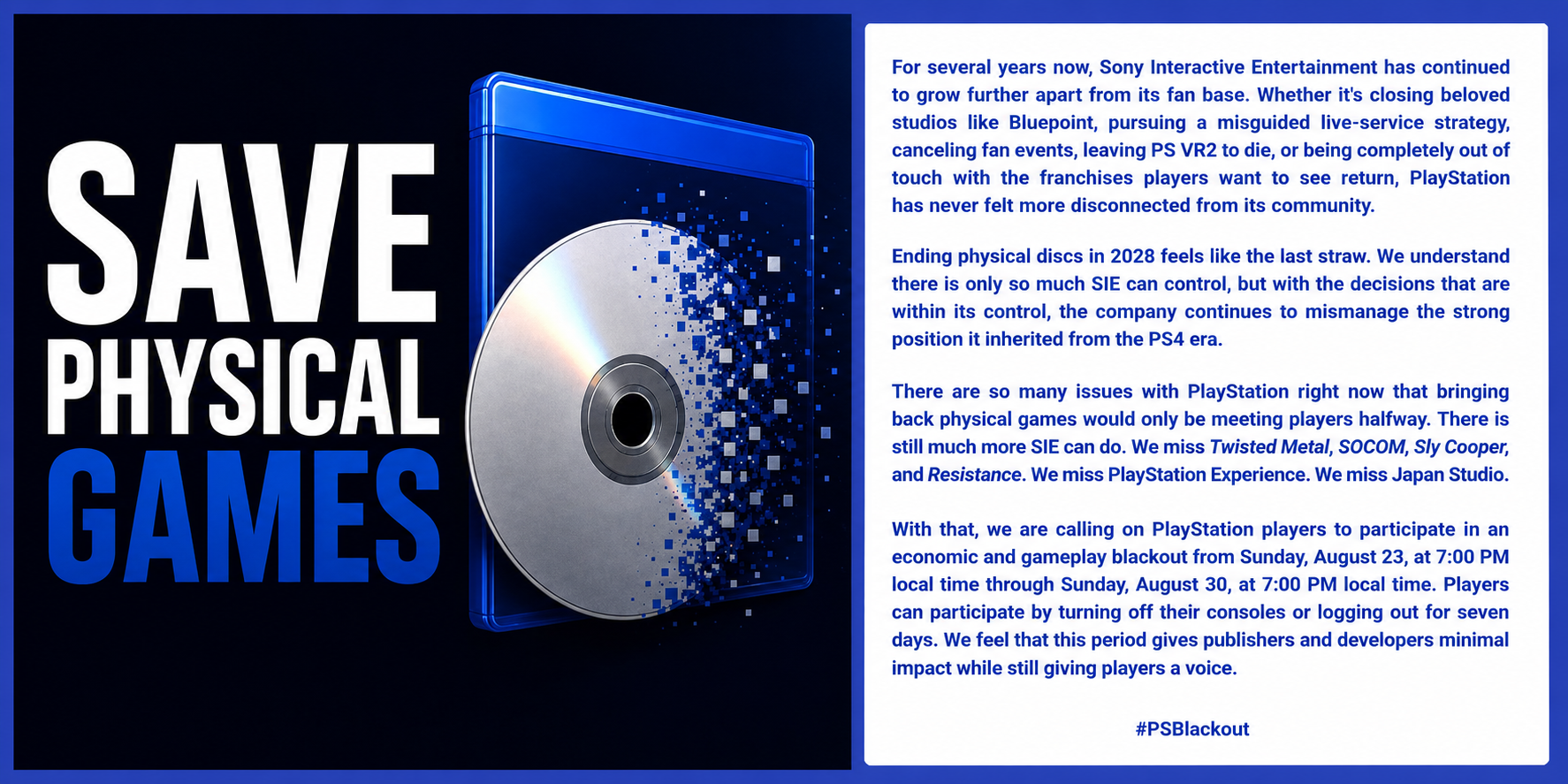
Picture this: millions of PS5s, all switched off at the same time, on purpose. No logins. No purchases. Just silence.
That's the plan for this August, and honestly, it's not some random internet meltdown. It's organized, it's got a name " PSBlackout " and it's aimed squarely at Sony.
So What Actually Set This Off?
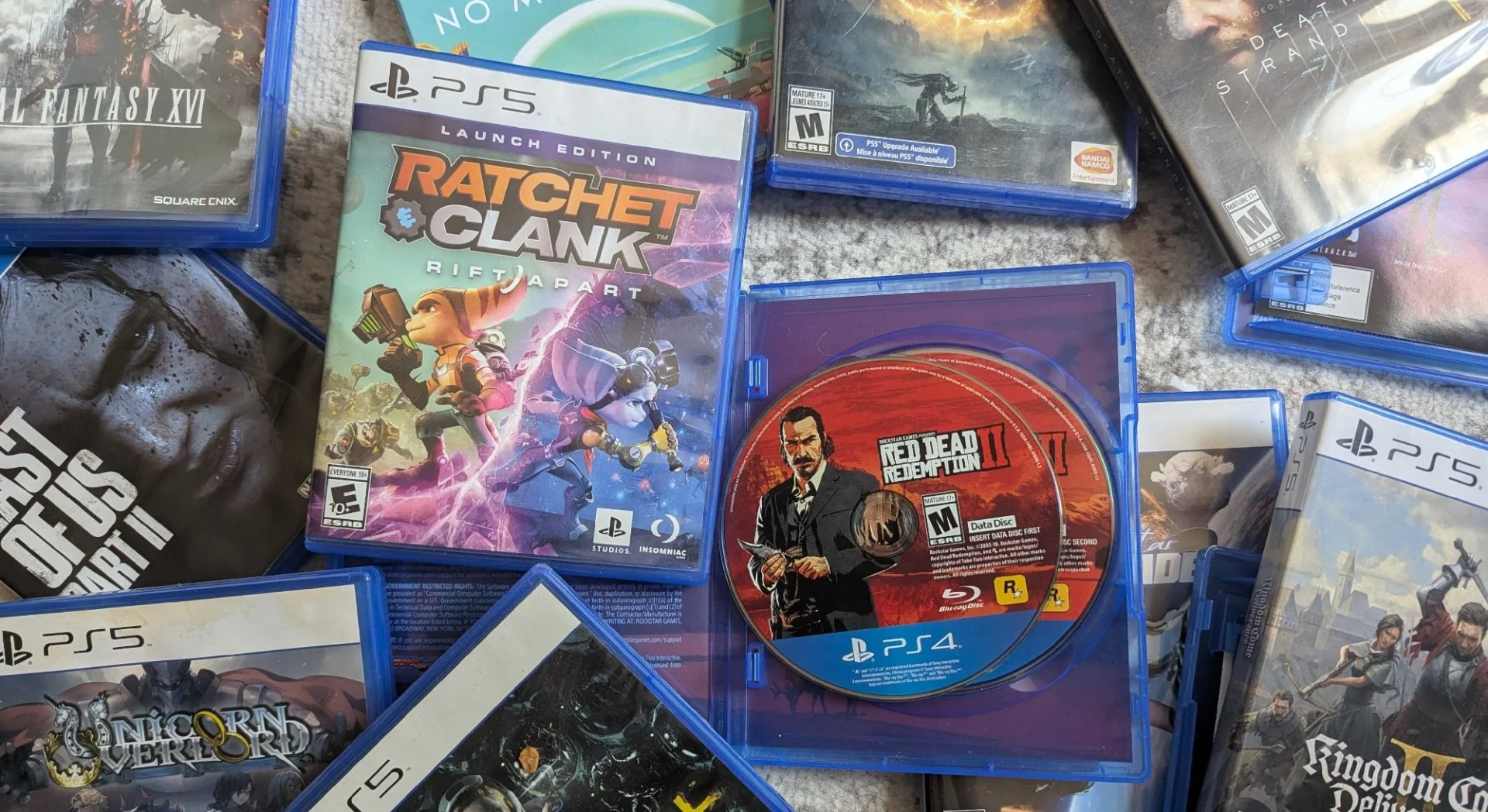
On July 1, 2026, Sony dropped a bombshell a lot of longtime fans had been dreading for years. Starting January 2028, every new PlayStation game goes digital-only. No discs. Not for first-party titles, not for third-party ones either. You'll buy through the PlayStation Store or get a code in a box, and that's it.

For people who've spent decades building shelves of game cases, this stung. Bad. A petition against the move racked up around 345,000 signatures within weeks. Scroll through PlayStation's own social posts and you'll see it; thousands of comments, way more than usual, most of them furious.
But here's the thing, discs aren't the whole story. Dig a little deeper and you'll find a longer list of grievances that's been building for a while:
- Sony shut down Bluepoint Games, a studio fans genuinely loved, seemingly out of nowhere
- A big, expensive bet on live-service games that mostly went nowhere
- Beloved series like Twisted Metal and Sly Cooper left gathering dust
- Real fear over what happens to game preservation once physical media is gone for good
Who's Actually Running This Thing
The protest didn't just spring up out of nowhere on Reddit overnight. It's being led by a group called DoesItPlay.
who've long cared about game preservation and the right to actually own what you paid for, no internet connection required. They've teamed up with Stop Killing Games, a group that's been pushing for years to stop publishers from quietly killing servers and turning paid games into digital dust.
Their approach, to their credit, isn't "smash your console and never buy Sony again." It's more measured than that. One week. That's the ask.
Okay, So What Are You Actually Supposed to Do
If you're taking part, the rules are pretty straightforward:
- Don't log in. Stay off PlayStation Network entirely.
- Don't play online. Skip multiplayer, skip anything server-based.
- Don't spend a cent. Nothing on the PlayStation Store, full stop.
The dates? August 23 through August 30. And that timing isn't an accident, there's no big first-party release scheduled that week, which means developers and smaller studios don't get caught in the crossfire. This is supposed to hurt Sony's numbers, not the people actually making the games.
Will Any of This Actually Change Sony's Mind?
Let's be real for a second; nobody actually knows. Even the people organizing this will tell you it's a bit of a long shot.
One week of quieter servers isn't going to undo a strategy Sony's clearly been planning for years. And it's worth remembering: Sony hasn't said a word about the protest publicly. Not a peep. Previous rounds of PS Plus cancellations didn't budge them either, so there's precedent for this going nowhere.
What organizers are really banking on is subtler than "Sony panics and reverses course." They want a dip — in active users, in spending — big enough to show up on an internal report somewhere and get an analyst asking questions. If the numbers wobble during a week with zero convenient excuse, that's a much harder thing to explain away than an angry hashtag.
Even skeptics admit something, though: the level of anger circulating right now is unusual for PlayStation. This is a brand that's mostly dodged this kind of sustained backlash. That alone says something.
What Comes After August 30?
Whatever happens with the numbers, this protest has already done one thing, it's gotten people actually talking about ownership. About what "buying" a game even means anymore. About what's lost when discs disappear for good.
So come August 23, watch what happens. Does Sony notice? Does it just ride out the storm and say nothing, like it always has? Either way, we're about to find out how much weight organized fans still carry in 2026.